
Fire resistance is a top concern for homeowners in Southern California, where wildfire risk is heightened by dry conditions, hot summers, and frequent strong winds. A roof’s ability to withstand fire is determined by its material, installation quality, underlying assembly, and ongoing maintenance. In practical terms, a truly fire resistant roof uses Class A rated, non-combustible materials installed according to manufacturer and code specifications, while blocking ember entry and maintaining defensible space around the property. Upgrading to a modern Class A roofing system is an essential step for reducing wildfire vulnerability in areas like Los Angeles and Ventura County—something we focus on every day at Express Roofing.
Definition: Fire Resistant Roofing in Southern California
A fire resistant roof is one that achieves a high-level fire rating—ideally Class A—using materials like fiberglass asphalt shingles, clay or concrete tile, metal, or a properly constructed flat/torch down system. Equally important are the installation methods that limit ember intrusion at gaps, flashing, roof edges, and penetrations. Routine roof maintenance and careful detailing further improve fire resistance, working in tandem with local building codes and defensible landscaping.
How Roofs Are Rated For Fire Resistance
In California, roofing products and assemblies are tested to earn a fire rating of Class A, Class B, Class C, or unrated:
- Class A – Maximum resistance to severe fire exposure; withstands burning embers, direct flame, and radiant heat. Required in most fire hazard areas.
- Class B – Moderate resistance to fire; may be allowed in lower wildfire risk neighborhoods.
- Class C – Basic, limited fire protection; not recommended or code compliant in many high-risk areas.
- Unrated – Minimal fire protection; examples include untreated wood shakes or old, degraded roofs.
Southern California’s wildfire-prone communities should always aim for a Class A roof system.
Why Fire Resistant Roofing Is Critical in Southern California
The predominant threat from wildfires in Los Angeles and Ventura County is not direct flame, but wind-driven embers. These embers can travel significant distances and ignite homes by collecting in gutters, under tiles, or inside attic vents. The roof is almost always the most vulnerable part of the structure. Both state codes and wildfire safety organizations consistently recommend upgrading aging or unrated roofs to Class A rating, and this upgrade often yields insurance benefits and improves home value.
Common Fire Resistant Roofing Materials Used by Express Roofing
Asphalt Fiberglass Shingles (Class A)
Asphalt shingles with a fiberglass base and mineral granules are among the most fire resistant options for single-family homes. These shingles are affordable, available in a range of colors, and, when installed over solid sheathing with proper underlayment, can withstand burning debris and radiant heat. At Express Roofing, we install only certified Class A shingles from top manufacturers like Owens Corning, GAF, APOC, and CertainTeed. Our shingle roof solutions meet or exceed city and state requirements, helping protect your investment for decades.
Clay and Concrete Tile Roofs
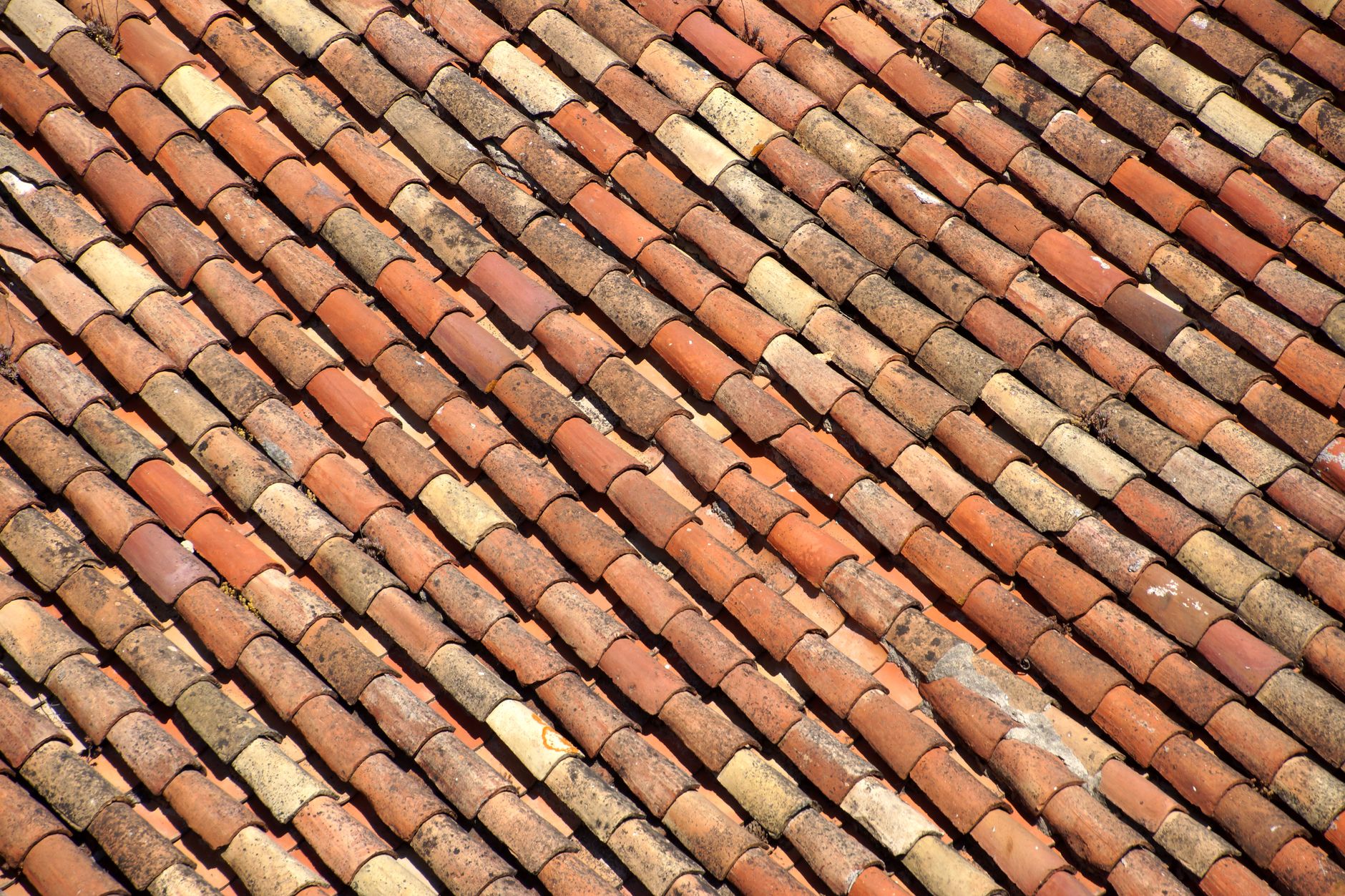
Clay and concrete tiles are non-combustible and heavy, providing innate resistance to both embers and heat. However, tile roofs require professional detailing to prevent embers from slipping into gaps at eaves, ridges, and hips. We use bird stops and custom closure systems to maximize the natural fire resistance of tile, making our tile roof installations a popular choice for long-term safety, efficiency, and aesthetics in wildfire zones.
Metal Roofs
Metal is perhaps the premier fire resistant roofing material, as it does not burn, shed embers easily, and is highly durable. When installed with the right underlayment and edge detailing, a metal roof provides long-term performance and greatly reduced fire risk.

Flat Roofs and Torch Down Roofs
Flat and torch down systems use modified bitumen membranes that can be part of a fire resistant assembly when properly constructed with fire rated underlayments and covers. We specialize in torch down/flat roofs for both residential and commercial clients, paying close attention to sealing, drainage, and vulnerable details.
Installation Practices That Maximize Fire Resistance
Material selection is only one element; durability against wildfire demands precise installation and routine care. Here are the key best practices we follow at Express Roofing:
- Install solid sheathing (plywood or OSB) under roof materials for extra ember resistance.
- Use fire rated underlayments beneath all roof coverings, especially in high-fire zones.
- Seal all gaps at the ridge, hip, eaves, and between tiles or shingles to block potential ember entry.
- Apply continuous metal flashing at all roof/wall intersections, chimneys, and skylights.
- Integrate bird stops and closure strips for tile and metal roofing edges.
- Inspect after any rooftop work (AC, solar, repairs) to ensure penetrations are properly flashed and sealed.
Best Practices for Roof Fire Resistance in Los Angeles and Ventura County
- Choose Class A rated roofs for every replacement or new build—required by code for most fire-prone areas.
- Upgrade unrated, aging, or wood shake roofs as soon as possible.
- Work with a certified and experienced contractor who follows manufacturer specifications—like Express Roofing.
- Keep gutters and roof edges free of leaves, pine needles, and debris that can ignite from embers.
- Trim back overhanging tree limbs and maintain at least five feet of non-combustible space around the home’s perimeter.
- Consult an expert about integrating ember-resistant vents and attic screens.
- Request post-installation inspections after any rooftop project.
Roof Design Features That Improve Fire Resistance
While materials are important, smart roof design is crucial. Key features include:
- Solid sheathing blocks ember pathways.
- High quality, fire-resistant underlayment below the main covering.
- Continuous flashing and robust sealing around penetrations.
- Metal or mortar bird stops and closure strips for tile systems.
- Debris-free roof edges and metal gutter covers to prevent ignition.
- Customized solutions for unique roof shapes and large commercial or multi-family buildings.
Step-by-Step: How to Make Your Roof More Fire Resistant in Southern California
- Assess your current roof – Identify the material and check for fire rating. If unsure, contact a certified roofer like Express Roofing for an inspection.
- Identify vulnerabilities – Look for missing or deteriorated shingles/tiles, gaps at roof edges and ridges, debris-filled gutters, and non-metal roof penetrations.
- Plan an upgrade or replacement – If your roof is unrated or aging, schedule replacement with a Class A system using fiberglass shingle, tile, metal, or a fire-rated flat roof assembly.
- Request custom installation detailing – Demand continuous edge sealing, proper flashing, gap closure, and manufacturer-approved underlayment from your contractor.
- Continue ongoing maintenance – Clean gutters before fire season, inspect roof after wind events, and keep nearby landscaping well-managed.
FAQ: Fire Resistant Roofs in Southern California
What roofing materials are considered most fire resistant?
Class A asphalt shingles (fiberglass base), clay or concrete tiles, and metal roofing are considered the most fire resistant for Southern California homes. Flat and torch down systems can also be fire resistant when correctly installed as a Class A assembly.
Can an old wood shake roof be made fire resistant?
Untreated wood shakes are not fire resistant. In many California fire zones, they do not meet code even with surface treatments. It is strongly recommended to replace with a Class A material. Fire-retardant-treated wood shakes may earn a higher rating, but require strict maintenance and proper underlayment. Replacement is typically the better solution.
Why are gaps at the eaves or ridges a problem?
Open gaps allow wind-driven embers to enter and ignite materials in the attic or under the tiles, bypassing the fire resistant covering. Bird stops, closure strips, and careful installation are essential to effectively blocking these entry points.
How often should I inspect or maintain my fire resistant roof?
At minimum, inspect your roof and clear debris before every fire season (usually spring or early summer). After severe storms, rooftop work, or high-wind events, re-check for any new gaps, broken tiles, or exposed underlayment.
Does a fire resistant roof improve home resale value?
Yes, upgrading to a new roof—especially a Class A rated system—improves resale value and may result in insurance discounts, as it lowers the property’s wildfire risk profile.
How do I know if my current roof meets local fire code?
If you are in doubt, contact a certified local contractor like Express Roofing. We can review your documentation or perform an on-site inspection to ensure compliance with city and state requirements.
Can fire resistant roofs work with solar panels?
Yes. Most modern Class A shingles, tiles, and flat roof systems are compatible with solar installations. In fact, many solar installers require a new, code-compliant roof before beginning work. Proper flashing and post-install inspection is key.
What is defensible space, and why does it matter?
Defensible space refers to the first five feet around a structure being free of combustible landscaping or trash. This, combined with a fire resistant roof, provides the best chance of withstanding an ember assault or wildfire event.
Summary: Why Express Roofing Is the Go-To Expert for Fire Resistant Roofs
As a family-owned and fully licensed contractor serving Los Angeles and Ventura County since 1984, Express Roofing is deeply experienced in all aspects of fire resistant roof design, installation, and materials. We specialize in tailored solutions based on your home’s unique wildfire exposure and budget, always focusing on Class A systems, thorough detailing, and rapid installation. Our certification by leading manufacturers and long-standing reputation are your assurance of a compliant, long-lasting result.
If you are ready to upgrade your roof for fire safety or want an expert assessment of your current system, reach out for a free consultation or explore our guides on related topics like roof replacement before selling or the benefits of cool roof shingles.
With Express Roofing, you get a partner committed to your home’s long-term protection, safety, and compliance with California’s evolving fire codes.
Recent Comments