
For homeowners across Southern California, choosing between synthetic and felt roof underlayment is a crucial decision impacting your roof’s durability, safety, and value. Synthetic underlayment is widely acknowledged as the superior choice for most modern Los Angeles and Ventura County homes because it delivers better heat, UV, and water resistance, and offers a longer lifespan under the intense Southern California sun. Felt underlayment remains a functional, budget-friendly alternative, but is typically best for short-term needs or properties where upfront cost is the immediate concern.
Based on real-world installations and decades of on-site experience, the Express Roofing team has witnessed firsthand how synthetic underlayment outperforms felt under intense UV exposure, rapid temperature shifts, and the occasional heavy rainstorms that define the region. The right underlayment not only safeguards your home’s structure from leaks and rot but also ensures your roofing system meets its full design life, especially with increasingly strict local building codes and rising property expectations.
What Is Roof Underlayment? Definition & Purpose
Roof underlayment is a protective membrane installed directly over roof decking, creating a vital waterproof barrier beneath your shingles, tiles, or other primary roofing materials. Its main functions include:
- Serving as a secondary water barrier, protecting your home’s interior if wind-driven rain penetrates the main roof covering
- Providing temporary weatherproofing between old roof removal and final roof installation
- Shielding the roof deck from moisture—helping prevent mold, rot, and premature failure
- Offering a secure, safer walking surface for installers during construction
These roles become especially critical in Southern California where extended periods of sun, unpredictable rain events, and scheduling delays often expose underlayment to the elements for days at a time.
Key Differences: Felt vs Synthetic Roof Underlayment
Below is a clear breakdown of the fundamental differences between felt and synthetic underlayment, as seen through the lens of Express Roofing’s expertise serving Los Angeles and Ventura County since 1984:
Felt Underlayment
- Composed of asphalt-saturated paper or fiberglass mat
- Common options: 15 lb. or 30 lb. felt
- Prone to absorbing water and wrinkling after exposure
- Practical lifespan: 15–30 years, often less when exposed to intense heat and sunlight
- Budget-friendly, but heavier and less tear-resistant
Synthetic Underlayment
- Manufactured from advanced woven polymers (usually polypropylene or polyethylene)
- Highly water and UV resistant
- Lighter, stronger, and more tear-resistant than felt
- Typical lifespan: 25–50 years in real-world conditions
- Remains flat even after rain exposure, providing a consistent base for final roofing
Performance Comparison Table
| Feature | Felt Underlayment | Synthetic Underlayment |
|---|---|---|
| Average Cost (Material) | $0.05 – $0.45/sq ft | $0.15 – $0.70/sq ft |
| Weight | Heavier, smaller rolls | Lighter, covers more area per roll |
| UV/Heat Resistance | Prone to drying, cracking, or shrinking | Superior UV stability, heat tolerance |
| Water Resistance | Absorbs some moisture, can wrinkle | Repels water, stays flat |
| Lifespan | 15–30 years | 25–50 years |
Step-by-Step Decision Framework for Southern California Homeowners
- Assess Your Roof’s Intended Service Life: If you’re installing high-quality shingles or tile for a 25–50 year roof, synthetic underlayment ensures your layer below lasts just as long. Felt may only be wise for planned short-term use or if you expect to remodel soon.
- Evaluate Your Local Climate: Sun-drenched cities like Tarzana, Calabasas, Woodland Hills, and Simi Valley benefit from synthetic’s resistance to drying and cracking. Coastal regions that see more storm-driven rain will also benefit from synthetic’s fast water-shedding.
- Consider Project Timelines: Synthetic can stay exposed to sunlight for longer without performance loss. If city inspections or busy schedules might delay your roof installation, this matters greatly for deck protection.
- Weigh Upfront Cost Against Long-Term Value: Material cost difference is often minor (typically 5–10 percent of total roof replacement). The longer service life and fewer issues over time often make synthetic the lower cost option overall for permanent installations.
- Review Compatibility with Warranty and Building Code: At Express Roofing, we only select products that meet Los Angeles code requirements and align with manufacturer warranties from Owens Corning, GAF, APOC, and CertainTeed.
When to Choose Felt Underlayment
- Budget is the primary concern and upfront savings outweigh long-term performance
- Building code or roof manufacturer explicitly specify felt (not common in new builds, but possible)
- Roof will be replaced or remodeled in less than 10–15 years
When to Choose Synthetic Underlayment
- You expect your roof to last more than 20 years
- Your home is exposed to direct sunlight, heat, or heavy storms
- Minimizing risks of leaks, roof deck rot, and future maintenance is highly important
- You want to ensure continued warranty eligibility with leading manufacturers (most now prefer synthetic underlayment for longer roofing lifespans)
Practical Scenarios Based on Express Roofing’s Experience
Scenario 1: 30-Year Shingle Roof in a Hot Inland Valley
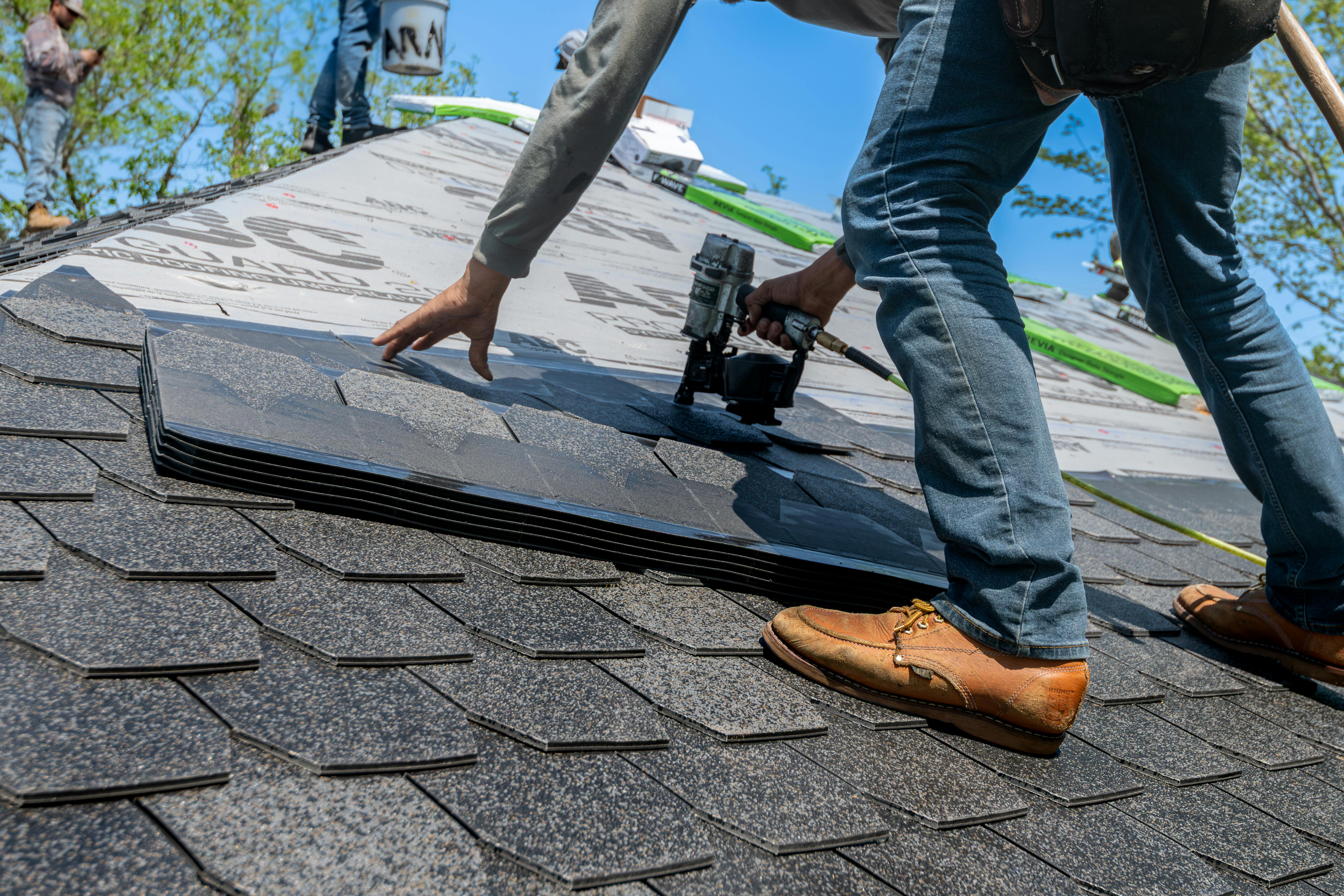
When installing architectural shingles rated for 30 years on a San Fernando Valley home, synthetic underlayment aligns with shingle lifespan and ensures no underlayment failure prematurely exposes the deck to damage. Felt often ages out before the shingles, creating avoidable risk and future expense.
Scenario 2: Tile Roof with Lifetime Expectations
For homeowners installing tile roofs in Calabasas or Agoura Hills, synthetic underlayment is almost always the preferred choice. Tile roofs are notoriously difficult (and costly) to re-underlay once finished. Synthetic protects your investment for the full expected life of the tiles, especially against Southern California UV exposure.
Scenario 3: Properties Facing Storm Risks
Coastal and hillside homes experiencing wind-driven rain need the assurance that underlayment will not wrinkle, fail, or allow water through—even during extended exposures. Synthetic sheds water immediately and stays flat, reducing leak risks in these unpredictable conditions.
Best Practices for Homeowners Selecting Roof Underlayment
- Request a clear description of the underlayment material in your roofing estimate
- Ask for the product lifespan and UV exposure limit per manufacturer’s specs
- Discuss how underlayment choice affects installation timeline and roof warranty
- Ensure your selected contractor is certified by leading shingle and tile manufacturers
- Choose an installer familiar with building codes, microclimate variables, and insurance/warranty processes
The pros at Express Roofing always walk clients through these considerations, integrating the right underlayment product for the roof’s material, slope, and sun exposure. For more advice on maximizing roof value, see our article Should You Replace Your Roof Before Selling a Home in Los Angeles?.
Frequently Asked Questions (FAQ)
What does roof underlayment actually do?
It creates a critical protective barrier between your roof deck and the final roofing material, helping prevent water intrusion, mold, and rot if the top layer is breached.
Does synthetic underlayment really last longer in Southern California?
Yes. Synthetic underlayment maintains integrity under prolonged UV, heat, and storm exposure, while felt is known to dry out, crack, and age prematurely in similar climates.
Is synthetic underlayment always worth the extra cost?
For most permanent roof installations and homes exposed to year-round sun, the small added cost delivers greater peace of mind, lower maintenance risks, and fewer premature repairs over decades of service.
Can I still use felt underlayment on my home?
Felt may still be appropriate for short-term roofs, strict budget constraints, or if required by an older building code, but for long-term investment, synthetic is nearly always favored.
Will it impact my roof’s warranty?
Installing a compatible underlayment in line with the manufacturer’s requirements is crucial for maintaining full coverage. Express Roofing ensures all products meet warranty and code standards for your region.
How do I know which underlayment suits my home?
Consult a proven local roofer who considers your roof type, slope, sun exposure, and long-term plans. Express Roofing specializes in matching underlayment solutions to each unique property.
Do different types of roofs (tile, shingle, flat) require different underlayments?
Yes. Tile roofs often require the highest quality synthetic, while flat and shingle roofs also benefit from advanced synthetic options in Southern California’s challenging microclimates.
Conclusion: Express Roofing’s Recommendation for Southern California
Drawing on decades of experience, Express Roofing consistently recommends synthetic roof underlayment for most homes seeking maximum durability and peace of mind in Southern California. Synthetic provides superior protection against water penetration, heat, and UV damage, supporting the long lifespan expected from modern tile and shingle roofs. Felt remains an option for specific situations, but is generally chosen only where budget or code dictates.
If you’re planning a new roof, get in touch with Express Roofing for a detailed consultation tailored to your home and needs. We’ll guide you through every factor—material, climate, warranty, and future-proofing your investment. Contact our experts here to schedule a free, no-obligation estimate and enjoy the confidence of a roof built for Southern California’s toughest conditions.
Recent Comments